

A Parent’s Guide
By Susan Acker
Choosing a summer camp for your child is a big decision. You are not just looking for coverage. You are looking for a place where your child will be safe, supported, and genuinely engaged each day.
At The Socratic School of Language, our immersion summer camps are designed for children ages 3–8 and offer Spanish, Mandarin, and Arabic language tracks in a warm, structured environment.
This guide walks you through what a typical day looks like, what children gain, and how to know if immersion camp is the right fit for your child.
What Is an Immersion Summer Camp?
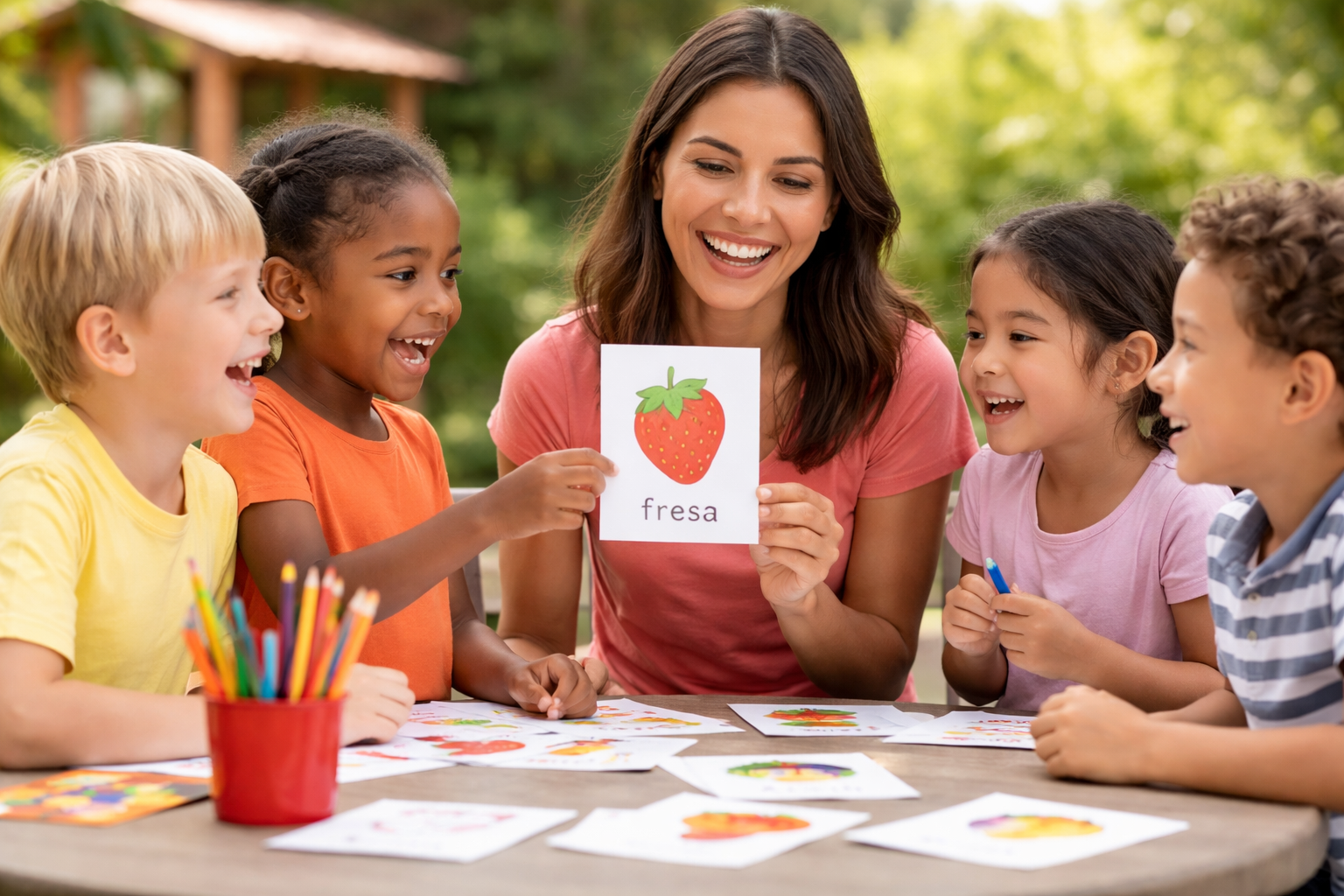
An immersion summer camp is a program where children learn language by experiencing it consistently throughout the day in meaningful, real-life ways.
Instead of treating language as a “subject,” immersion integrates the language into everything children do:
-
greetings and routines
-
songs and stories
-
art and projects
-
games and outdoor play
-
mealtime conversations and classroom expectations
Children build language naturally through repetition, predictability, and engaging activities that match their age and development.
Why Our Immersion Camp Feels Calm (Not Chaotic)
Many families love the idea of language immersion but worry their child will feel overwhelmed, confused, or lost.
Our approach is different. We combine immersion with structure, emotional safety, and strong classroom routines. This supports children who are brand new to the language and helps them thrive socially as well.
Our camp environment is intentionally designed around:
-
consistent schedules
-
clear expectations
-
supportive teachers
-
small group learning
-
movement and outdoor time
-
positive communication and kindness
This balance is what makes our program feel joyful and calm while still being academically meaningful.
A Typical Camp Day (Sample Schedule)
Every day includes a dedicated immersion block, enrichment activities, outdoor play, and time for children to reset.
8:00–9:00 | Arrival and Welcome
Children are greeted warmly and settle into the day with simple routines and engaging morning activities. Teachers begin using the target language naturally through greetings and classroom directions.
This early transition period matters because it sets the emotional tone for the entire day.
9:00–9:30 | Morning Circle
Morning circle includes music, greetings, movement, calendar time, and simple routine language.
Children practice listening and participation while building confidence. Even shy children tend to join in quickly because the environment is supportive and consistent.
9:30–12:00 | Full Immersion Learning Block
This is the core of the day. Children participate in a fully immersive language experience within their chosen track (Spanish, Mandarin, or Arabic).
This time includes:
-
story based language learning
-
games and partner activities
-
hands on projects and crafts
-
vocabulary in context
-
routines and conversation practice
Our goal is to make language feel natural and repeatable. Children learn best when they hear the same phrases in meaningful moments, so we build repetition into the day without making it feel boring.
12:00–12:30 | Lunch
Lunch is a social routine where children build independence and practice practical skills such as cleaning up and taking responsibility for their belongings.
Language continues during lunch through gentle modeling and simple phrases.
12:30–1:30 | Quiet Reset
Young children need a midday reset to regulate their bodies and emotions. This is an important part of keeping the second half of the day smooth and positive.
Quiet reset may include:
-
rest time
-
calm reading
-
quiet table activities
-
gentle routines that help children recharge
1:30–3:00 | Enrichment Time (Arts, Culture, STEAM, Movement)
Afternoons include enrichment activities that keep camp exciting and well rounded while still supporting language exposure.
Depending on the week, enrichment may include:
-
art projects tied to cultural themes
-
STEAM exploration
-
fine motor skill building
-
music, rhythm, and movement
-
outdoor games and group activities
Children stay active, engaged, and socially connected, which is exactly what makes camp feel like camp.
3:00–4:30 | Outdoor Play and Group Games
Outdoor play is a major part of the experience. Children need space to move, explore, and build friendships.
This is also one of the easiest times for children to begin using the language naturally, especially through repeated phrases and playful routines.
4:30–6:00 | Afternoon Choice + Pick Up
The day ends with a calm wind down and flexible choice activities while families arrive for pick up.
Children leave camp feeling proud, comfortable, and happy. Parents often tell us that their child begins using small phrases at home without being prompted.
Do Children Need Language Experience Before Camp?
No. Beginners are welcome.
Many children join our camp with no previous exposure to Spanish, Mandarin, or Arabic. Our program is designed to support brand new learners through consistent routines, repetition, and encouraging instruction.
Children do not need to “perform” in the language. They build confidence first, and speech often follows naturally.
What Children Gain From Immersion Camp (Beyond Language)
Immersion supports the whole child. Families often notice growth in:
-
confidence and independence
-
listening skills and attention
-
willingness to try new things
-
social development and emotional maturity
-
classroom readiness and routine following
Language becomes one of the strongest benefits, but it is not the only one.
What to Pack Each Day
To help your child have a smooth day, we recommend packing:
-
one lunch
-
three snacks
-
a refillable water bottle
-
a full change of clothes
Ready to Choose Your Weeks?
If you are looking for a summer experience that is structured, joyful, and academically meaningful, we would love to welcome your child to The Socratic School of Language.